 Learning Institute · Abu Dhabi
Contents
Hamdan Street · Madinat Zayed · Mussaffah — Abu Dhabi

AI and computer skills in Abu Dhabi, for ages 11 to 18.
Word, Excel, presentations, AI tools and video editing. No coding.
What your child actually learns
Five things are taught here. Four of them end in a file you can open. The fifth changes how the other four get made.
-
.docx
Microsoft Word
Not typing — structure. Headings that mean something, a contents page that builds itself, numbering that survives an edit, and references that still hold together when the document is forty pages instead of four. Most students meet this properly for the first time at university, which is about six years too late.
-
.xlsx
Microsoft Excel
A sheet that calculates, rather than a table that merely looks like one. Formulas, sorting and filtering, lookups, and a chart that says the thing the numbers are actually saying. It is the single skill most often asked for in a first job and least often taught before one.
-
.pptx
PowerPoint, and standing up with it
A presentation that survives being presented. Fewer words on the slide, a shape to the argument, and then the part everybody skips: saying it out loud, to a room, at the right speed. Half of this section is design and half of it is nerve.
-
AI tools
Not a fifth subject. It changes the other four. A student learns to brief a model properly, judge what comes back, and keep only the part that is theirs — used on their own work, never instead of it. A teenager who cannot yet tell a good answer from a confident one is not helped by faster answers, so that judgement is the thing being taught.

The working stays theirs. The tool is pointed at it. -
.mp4
Video editing
Cut, sequence, sound, export. Choosing the order of things is the whole craft, and it is the same skill as paragraphing an essay, learned somewhere students are willing to do it forty times. This is editing rather than camera work — what happens after the footage exists.
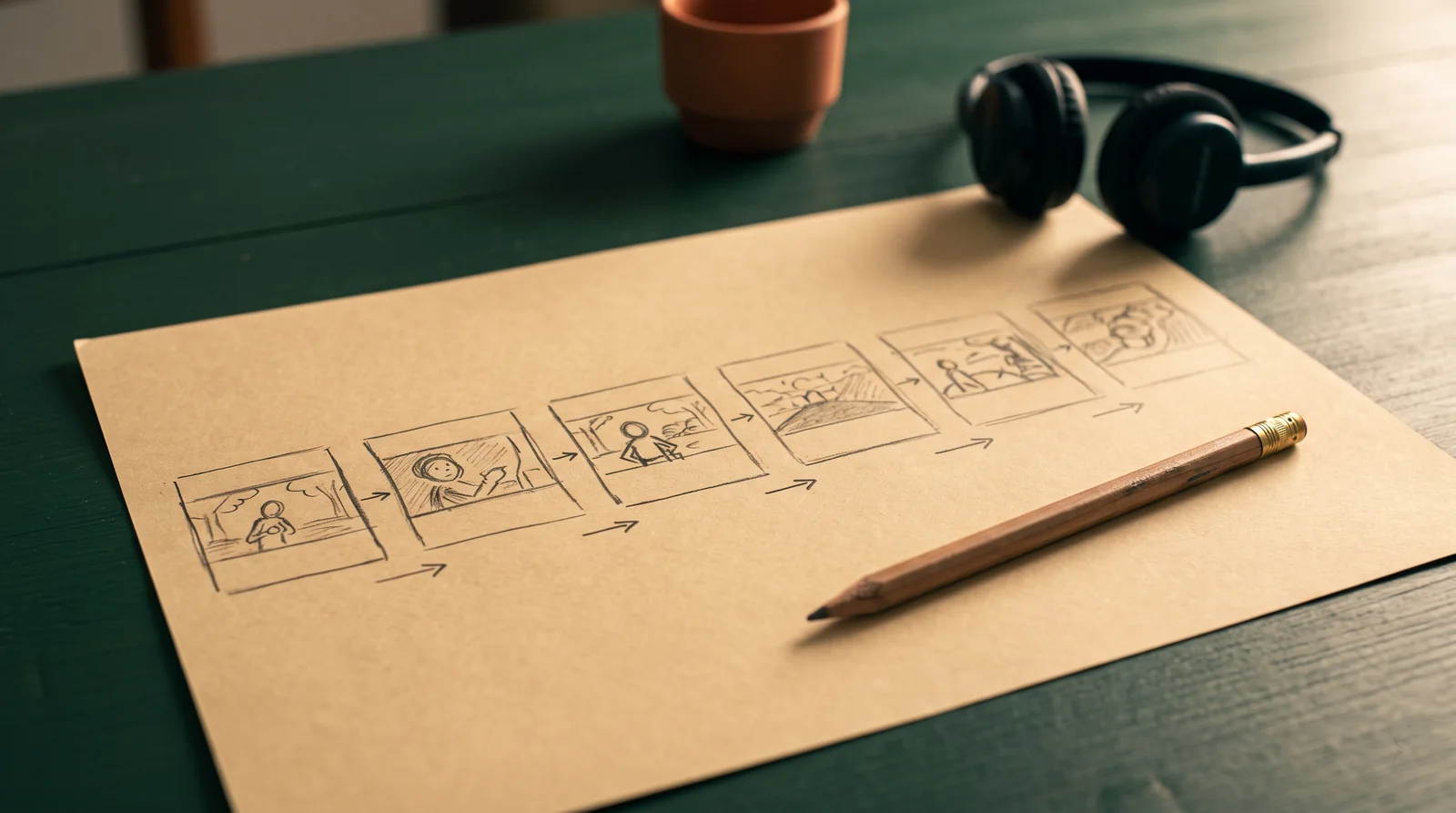
Nothing is cut until it has been drawn in six boxes.
Do you teach coding?
No.
No Python, no Scratch, no robotics, no game engines. Almost every course in Abu Dhabi with AI in its name is teaching a programming language underneath, and if that is what you are looking for we would rather say so now than take the enrolment.
What is taught here instead is the set of tools a student opens in every subject they take, in every application they ever fill in, and in the first job they get — together with the judgement to point AI at their own work without handing it over.
It is a narrower promise than the market makes, and it is one we can keep.
Ages 11 to 18
One room, one age range, and no talking down. A course that treats a fifteen-year-old like a child loses them inside the first hour, so the work here is real work: a document that will be marked, a sheet that has to balance, a video somebody will actually sit through.
Younger students take longer over the same brief and finish it. Older ones take it further — a longer report, a harder sheet, a cut with sound on it. The brief does not get easier; the time spent on it does.
This is the one programme at PHLOEM that is not about a syllabus. If what your child needs is the syllabus itself, that is the full-day CBSE programme, and for a single subject that has come loose there is one to one tuition and the group of five.
Three days a week, two hours a session
Two hours is long enough to actually make something and short enough to stay sharp all the way through. Three days a week is what it takes for the habit to survive the gap between sessions — one afternoon a week is a hobby, and it shows in what comes out at the end.
The Lab runs at all three centres — Hamdan Street, Madinat Zayed and Mussaffah — and transport is available. Everyone starts with a free trial class, which is a working session rather than a meeting: your child sits down, makes something, and you both decide afterwards.
Two hours, three times a week, and something to show for it.
What they leave with
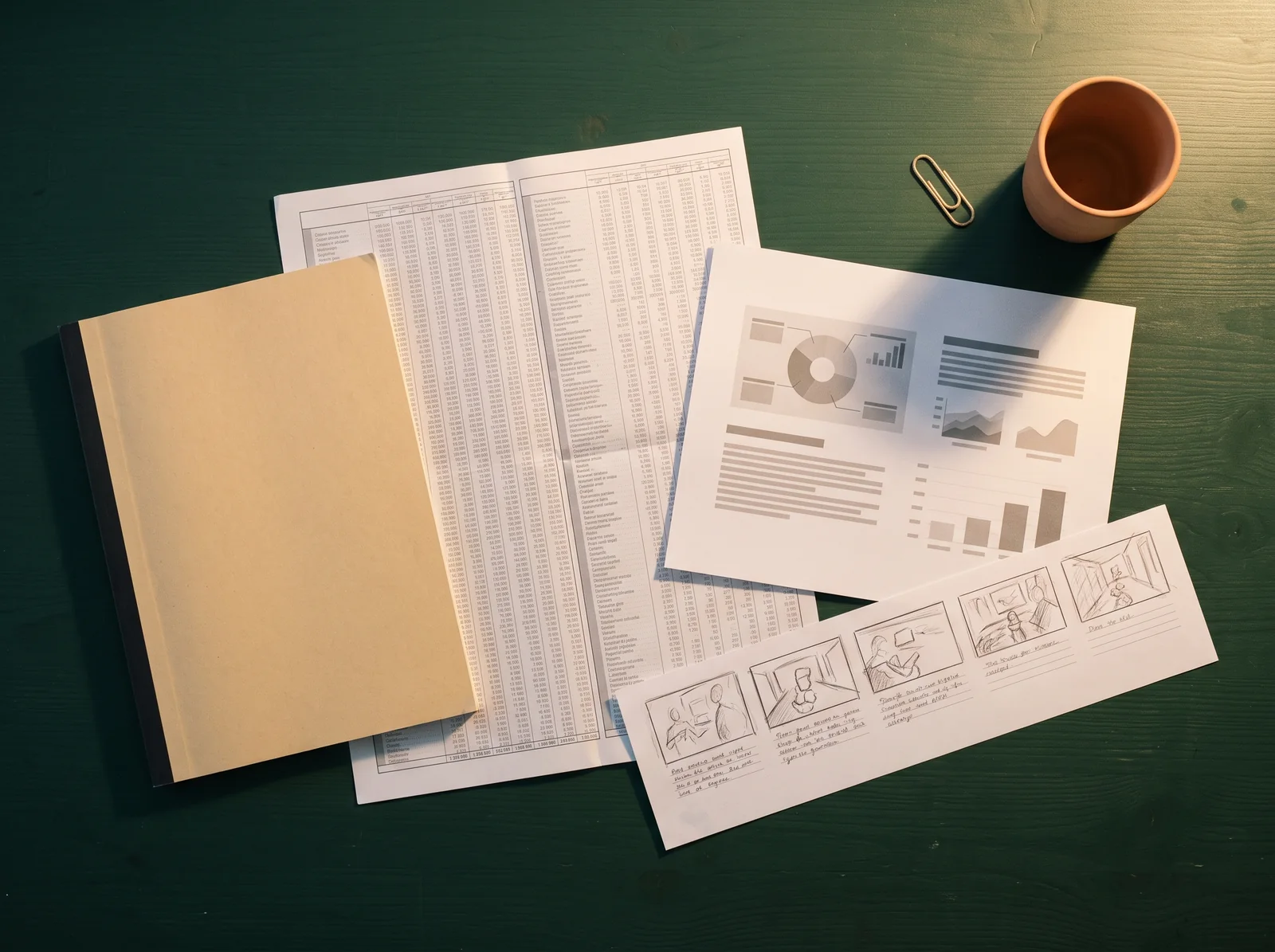
Not a certificate. A folder of things that open, made by your child, that can be put in front of somebody.
A document
Properly structured, correctly referenced, and long enough that the structure had to do some work.
A working sheet
One that calculates on its own, with a chart that is the right chart for the question.
A deck, and the nerve
Slides worth showing, plus the practice of having stood up and delivered them out loud.
A way of working
Knowing what to ask an AI tool for, and knowing when the answer coming back is not good enough.
A finished cut
Storyboarded, edited, scored and exported — a piece with a beginning and an end.
Where we teach
The Lab runs at all three centres in Abu Dhabi, and transport is available from each of them.
Hamdan Street
Room 303, 3rd FloorBurj Al Arab Building
Near Yateem Opticals, Abu Dhabi
+971 50 422 0679
Questions parents ask about the Lab
Does my child need their own laptop?
Ask us when you book the trial — it is the one detail that is worth two minutes on the phone rather than a guess on a web page, and we will tell you exactly what is provided at your centre. If your child already has a laptop they use for homework, bringing it is usually the better option anyway: the habits transfer more easily on the keyboard they will still be using at home afterwards.
Is this a course, or an activity?
A course. It runs to a plan, the work is judged on whether it is any good, and it finishes with files rather than a photograph of everyone smiling.
Parents usually find us while looking for after school activities in Abu Dhabi, and it will sit in that part of the week — but two hours, three times a week, producing work that gets marked is not a drop-in club.
Will my child have work to show at the end?
Yes, and it is rather the point. Every session ends with something saved, and by the end there is a document, a spreadsheet, a presentation and an edited video — all made by your child, all openable on any machine, all of it useful the next time a project is due.
My child wants to learn coding. Can you teach that?
No — and we would rather say it plainly than stretch the description until it covers something we do not do. We teach Word, Excel, PowerPoint, AI tools and video editing, with no programming of any kind.
If coding is genuinely what your child wants, one of the programming centres in Abu Dhabi is the right call and we will happily say so. If what they actually want is to be good with a computer, this is the closer fit.
Start with a free trial class
Tell us your child’s age. They sit in on a working session, make something, and you decide afterwards.
Or WhatsApp +971 50 422 0679
Programmes
Hamdan Street
Room 303, 3rd Floor, Burj Al Arab BuildingNear Yateem Opticals, Abu Dhabi
+971 50 422 0679
Mussaffah & contact
Shabiya 12, MussaffahOffice 07:30–18:00
infophloemlearning@gmail.com
+971 50 422 0679
PHLOEM International Learning Centre – LLC · Abu Dhabi
An Academic Plantation